Call Us Today! (888) 691-3821

Comprehensive Hearing Tests
A Hearing Screening Is the First Step to Better Hearing
You probably make regular dental checkups, eye exams, blood pressure checks, and annual physicals healthcare priorities, but when was the last time you had a hearing test?
According to the World Health Organization, hearing loss is the third most common health issue in the US and cases are expected to double within the next 30 years. So, why do people place a hearing assessment so low on their list of healthcare priorities?
Six Common Hearing Loss Myths
In spite of the fact that untreated hearing loss can have devastating financial, mental and physical health, lifestyle, and relationship consequences, the bulky, frustrating contraptions your parents or grandparents wore are the first image in your mind when someone mentions hearing loss.
Rather than living with the stigma attached to hearing aids, most people reduce the importance of their hearing and avoid getting their hearing assessed.
Their reasons for skipping hearing tests usually include any or all six of the most common hearing loss myths.
1st Myth – “If I had a hearing problem, I’d be the first to know.”
Actually, you will probably be the last to know if you have a hearing problem. Hearing loss comes on gradually, making it difficult to notice until you begin to struggle to keep up with conversations. It is likely that family members, friends, and co-workers will notice that you are struggling before you do, and they are probably already suggesting that you seek help.
2nd Myth – “My hearing problem doesn’t bother anybody.”
3rd Myth – “I’ll hear fine if others talk louder or I turn up the volume.”
4th Myth – “Only old people have a hearing loss.”
5th Myth – “Hearing aids are bulky, ugly, and a nuisance.”oyalty
6th Myth – “A hearing test won’t fix my hearing.”
I've been a patient of Dr. Casey Whetstone in the Hastings office since November (I think) of 2022. I wish to commend both him and Vicki, his secretary, for their warm attitudes, positive, thorough and supportive attitudes. I've been to other hearing doctors over the years and Dr. Casey is 2nd to NONE!! My first set of devices didn't work well for me and He allowed me to go with the insert style @ no extra charge! I received the new ones in December while in the hospital w-covid pneumonia.
He allowed my wife to p/u and bring to me, ALREADY ADJUSTED and they worked fine...until I got home (after 18 days) and our dog decided they were chew toys; I'd set them on table for nap. Dr Casey was able to get them repaired @ no cost!!! I HIGHLY RECOMMEND Dr. Casey to EVERYONE w/hearing needs!! He is TOP NOTCH!! Vicki is very pleasant.
Harvey J.
What Can You Expect During Your Hearing Test?
Some people put off hearing assessments because they don’t know what to expect. Rest assured that hearing assessments conducted by a hearing expert are nonintrusive, easy, require about 30 minutes to complete, and provide you with immediate results.
Our hearing tests include four basic parts:
Initial Consultation
The initial consultation with your hearing expert provides an opportunity for you to ask questions and learn more about hearing loss and hearing care while we learn more about the issues causing your concern. We start off with a conversation about your family history, your occupation, hobbies, and common activities you enjoy as well as your medical history and the medications you take.
Through this conversation, we learn about environmental, genetic, medical, and lifestyle activities that have the potential to contribute to hearing loss. Bringing along someone close to you for this consultation can be helpful for filling in information you might leave out.
Physical Examination of Your Ears
Following our initial consultation, we will do a physical examination of your ears using an otoscope. You will recognize this instrument, which is essentially a magnifying glass with a tapered tip and a tiny light that’s used by your regular doctor to examine your ears.
With the otoscope, we are looking for obstructions in the ear canal such as inflammation, growths or tumors, wax buildup, bugs, and other objects blocking the ear canal.
Hearing Test
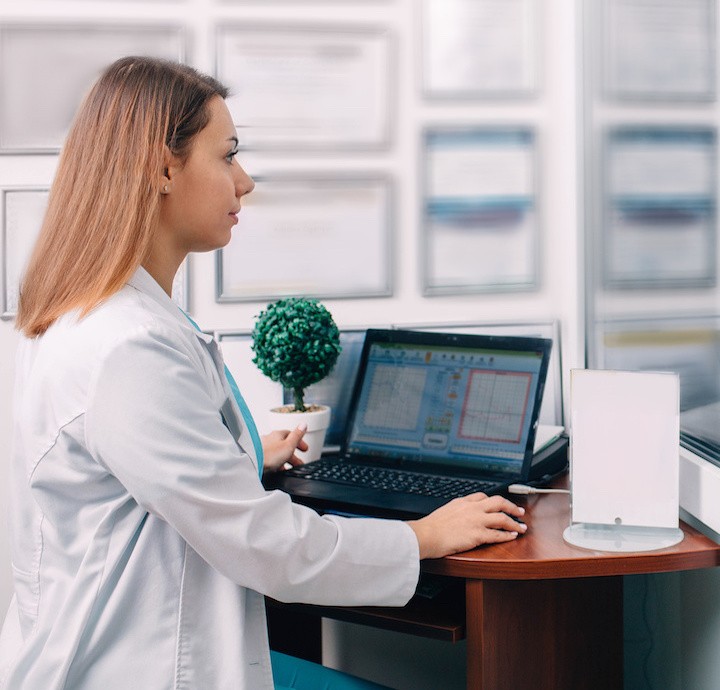
After physically examining your ears, we will fit you with a set of headphones to undergo a series of tests, including:
Pure-tone testing
Speech testing
Bone conduction testing
In some rare cases, you may be referred for additional tests in order to further identify or isolate the cause of an impairment or hearing loss.
Discussion of Results
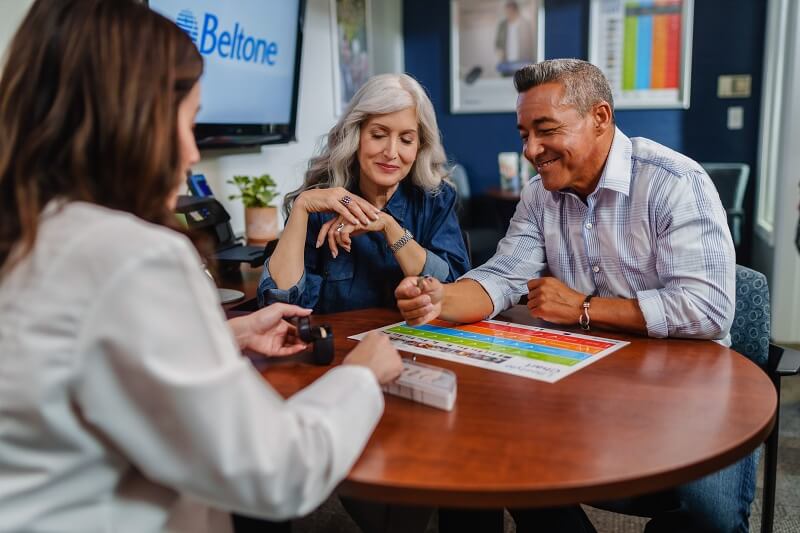
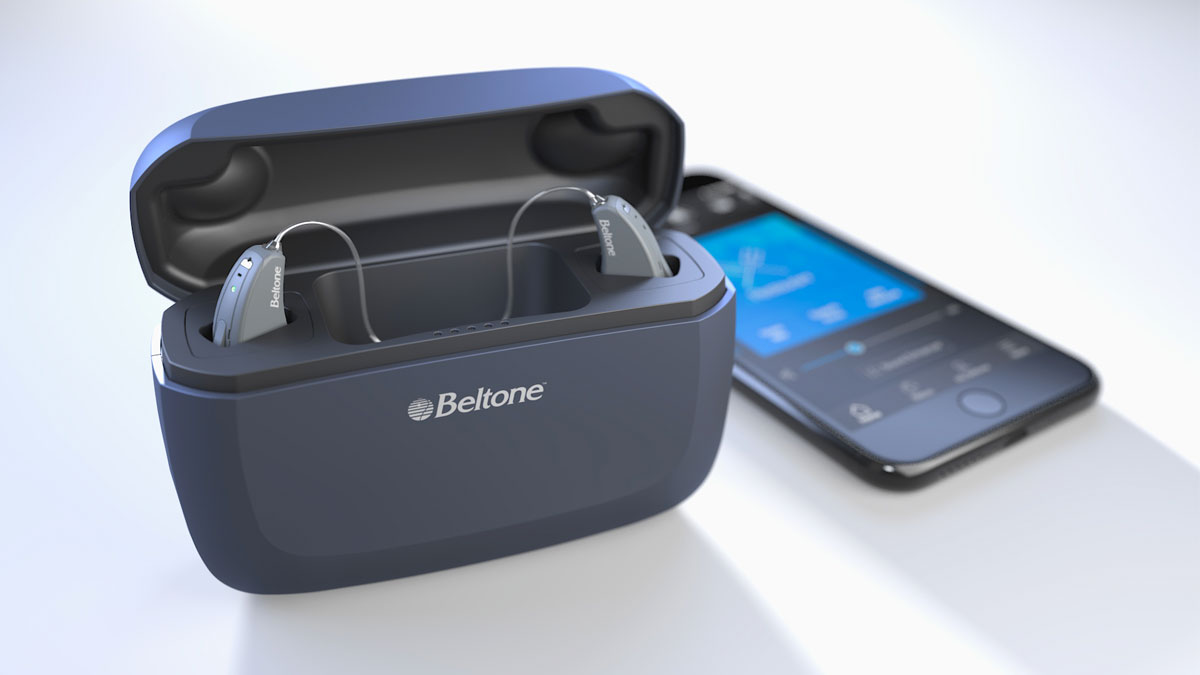
The last part of our hearing test includes going over the test results with your hearing expert. We will show you the results and explain what they mean while answering your questions about any treatment options. If no permanent hearing loss shows up during testing, we’ll discuss possible risks, recommend hearing protection, and/or advise preventative measures to prevent future damage. If hearing aids will provide the best solution to your hearing loss, your hearing instrument specialist will begin the process of educating you about the various options we have available to meet your unique preferences and lifestyle concerns.
Besides hearing aids, testing might identify hearing issues that require different types of treatment options, medications, minor outpatient procedures, tinnitus management, changes to your prescription medications, or a referral to another specialist.

Schedule a Free Hearing Test
The first vital step toward regaining the quality of life you are missing due to hearing loss is a hearing test. An honest discussion of your concerns and evaluation of your condition provides the foundation upon which we can develop a customized solution to fit your unique case.
If you or a loved one is struggling to hear as well as you used to, start your journey toward better hearing by scheduling a comprehensive hearing test today.